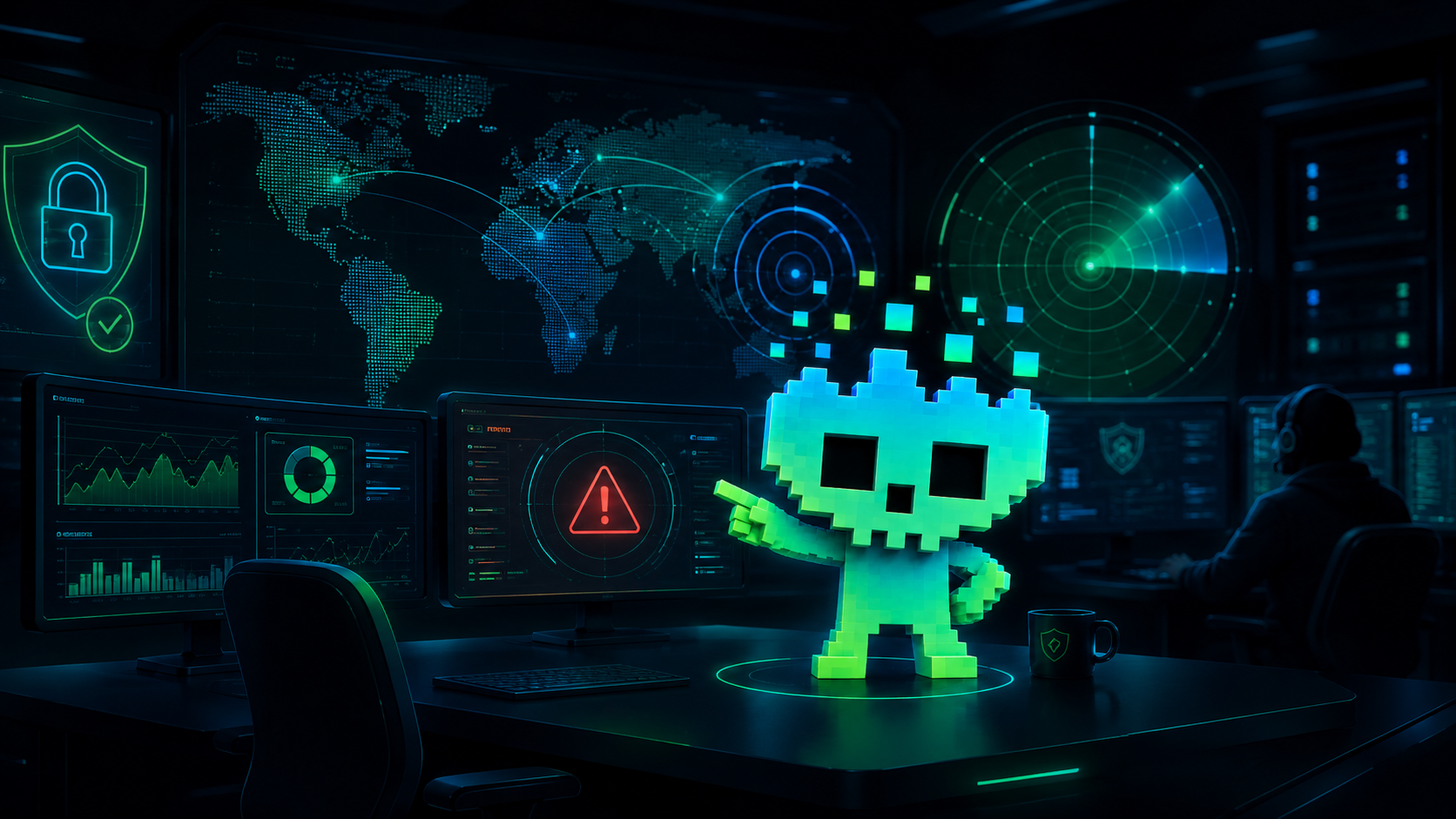
Ransomware doesn't keep office hours. The attackers who target small and mid-sized businesses count on one thing above all: that no one is watching when they strike. That's the single most important reason antivirus alone is no longer enough — and why managed detection and response has become essential.
The uncomfortable statistics
Industry research paints a consistent picture of how modern ransomware operates:
- ~88% of ransomware attacks occur outside business hours.
- ~63% of victims lacked the staff or skills to stop the attack in progress.
- ~55% of attacks use legitimate credentials or previously unknown vulnerabilities.
- ~74% of IT and security professionals report burnout — meaning fewer eyes, later.
Read together, they explain why prevention tools that simply "block known bad" keep failing: attackers log in with valid credentials at 2 a.m. on a holiday weekend, and there's no one to notice.
Why antivirus alone falls short
Traditional antivirus matches files against known signatures. But today's attacks often use living-off-the-land techniques and stolen logins that look legitimate. Without someone (or something) watching behavior in real time, the intrusion unfolds quietly until the encryption starts.
Prevention reduces the odds of an attack. Detection and response reduce the damage when one gets through — and one eventually will.
What MDR actually does
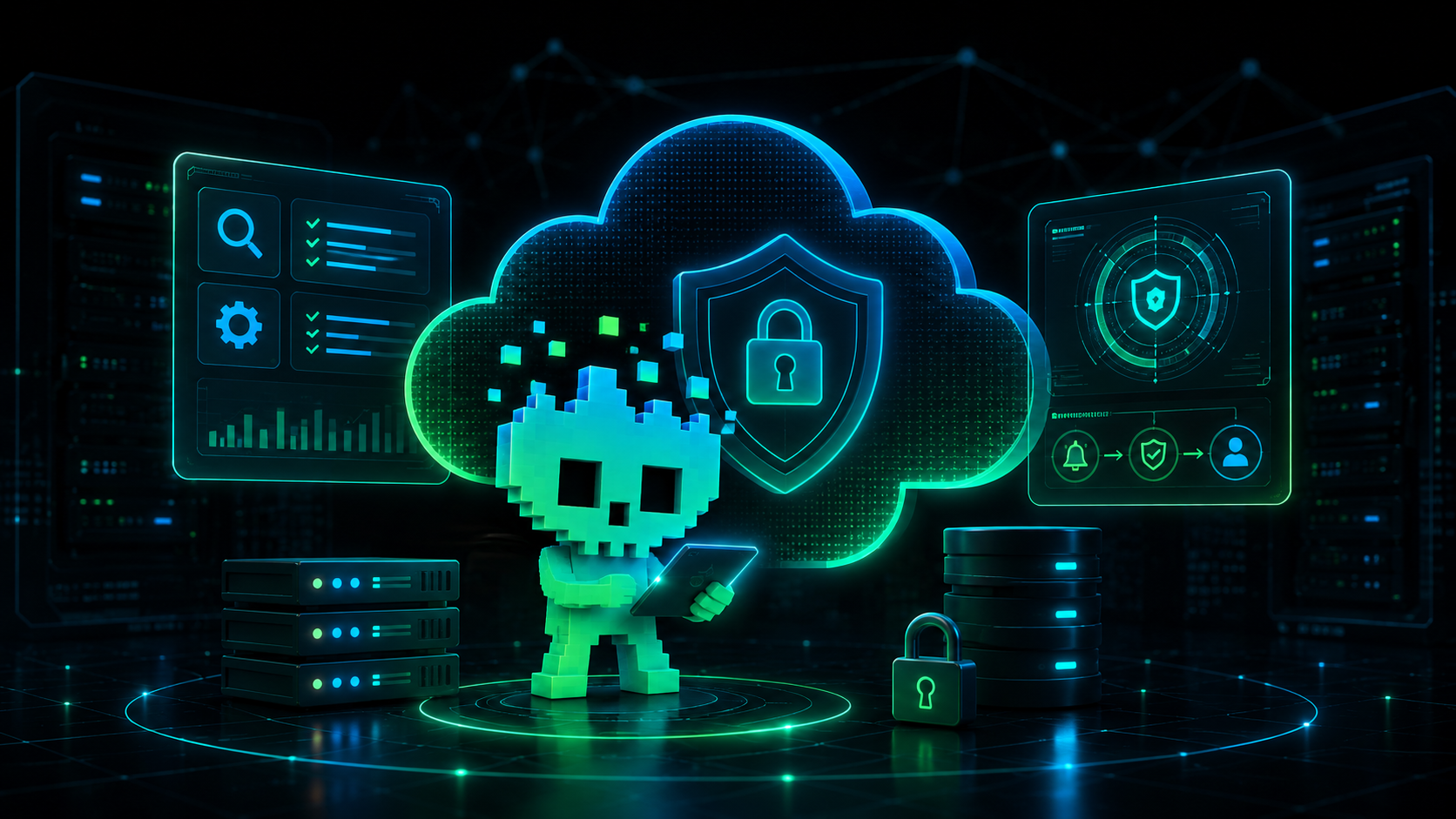
Managed Detection and Response combines AI-driven detection with human security analysts who monitor your environment around the clock. A strong MDR program includes:
- 24/7 monitoring & response — real people, not just alerts.
- Next-gen antivirus and EDR — behavior-based detection on every endpoint.
- Managed threat hunting — proactively looking for what automation misses.
- Ransomware rollback — restoring affected systems to a known-good state (up to a 7-day window).
- Vulnerability assessment & patch management — closing the doors before they're used.
Fewer false alarms, faster action
A common objection is alert fatigue. Done well, MDR reduces noise: expert triage filters out false positives so your team only hears about what's real, and the response team acts immediately instead of waiting for someone to log in and investigate.
Is MDR worth it for a smaller company?
For most SMBs, building a 24/7 in-house security operations center is neither realistic nor affordable. MDR gives you that capability as a service — enterprise-grade protection sized to your needs. It also pairs naturally with hardening your AWS cloud and formalizing security through ISO 27001.
Learn more about our Managed Detection & Response service, or book a free consultation to talk through your risk.